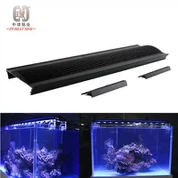
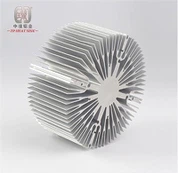
Heat Sink For Greenhouse LED
A heat sink is a device used to dissipate heat generated by electronic components, such as LEDs, to prevent them from overheating. Greenhouse LED lighting systems often produce a significant amount of heat, and an effective heat sink is crucial for maintaining optimal operating temperatures and ensuring the longevity and efficiency of the LEDs.

- Product Introduction
Product Description
A heat sink is a device used to dissipate heat generated by electronic components, such as LEDs, to prevent them from overheating. Greenhouse LED lighting systems often produce a significant amount of heat, and an effective heat sink is crucial for maintaining optimal operating temperatures and ensuring the longevity and efficiency of the LEDs.
Design Parameters
| Product | Heat sink for greenhouse LED |
| Size | Customized |
| Material | Aluminum/Copper |
| Process | Skiving, CNC |
| Surface finish | Passivation, anodizing |
| Certificate | ISO9001:2015 |
Features
Here are some key points about heat sinks for greenhouse LED lighting:
Purpose
The main purpose of a heat sink is to absorb and dissipate heat generated by the LEDs. By providing a large surface area, heat sinks enhance heat transfer from the LEDs to the surrounding environment, facilitating cooling.
Design and Construction
Heat sinks are typically made of thermally conductive materials, such as aluminum or copper, which have high thermal conductivity. They are designed with fins or other extended surfaces to increase the surface area available for heat dissipation.
Thermal Management
Effective thermal management is crucial for greenhouse LED lighting. The heat sink should be selected based on the specific requirements of the LED system, taking into account factors such as the LED power, heat flux, and ambient temperature. It's essential to ensure proper sizing and design of the heat sink to match the heat dissipation requirements of the LEDs.
Airflow Considerations
The efficiency of a heat sink can be improved by ensuring adequate airflow around it. In greenhouse applications, it's important to consider the ventilation and air circulation system to maximize the heat dissipation capacity of the heat sink. This can be achieved through the design of the greenhouse structure and the arrangement of fans or other cooling mechanisms.
Installation
Heat sinks are typically installed in direct contact with the LED modules to facilitate efficient heat transfer. Proper installation techniques, such as using thermal interface materials like thermal paste or pads between the LED and the heat sink, can further enhance heat conduction.
Maintenance
Regular maintenance is important to ensure the optimal performance of heat sinks. This includes cleaning the heat sink and checking for any obstructions or buildup of debris that may hinder airflow and heat dissipation.
It's worth noting that the specific requirements for heat sinks may vary depending on the LED system, greenhouse size, environmental conditions, and other factors. Consulting with a qualified professional or contacting the manufacturer of the LED lighting system can provide more specific guidance tailored to your greenhouse setup.
Remember to consider safety guidelines and local regulations when working with electrical components and heat sinks for greenhouse LED lighting installations.
Manufacturing Process
This Greenhouse LED Heat Sink is procssed by skiving tooling. Skiving technique and tooling is using a single block of material (such as copper or aluminum) and cut high-density cooling fins with a dedicated serration machine using a high-precision radiator serration process. The structure includes high-density serrations, high-fin fins, and ultra-long cooling fins. skiving heat sinks overcome the limitations of traditional radiator thickness-to-length ratios and can produce radiators with high-density teeth. The fins and the base are "integral." Because the base and fins of the skiving heat sink are integral, with no other thermal resistance, and due to the high purity of the serration material, the efficiency of serrated cooling fins is much higher than that of welded radiators. The thermal conductivity can also reach a level comparable to that of profiles.


Contact ZP HEAT SINK via email: general@zp-aluminum.com to get the customized solutions for your green house LED project.
Hot Tags: heat sink for greenhouse led, China, suppliers, manufacturers, factory, customized, wholesale, buy, price, free sample, Grow Light Aluminum LED Heatsink, LED light heatsink, high power LED heatsink, aluminum led heatsink, Round Heat Sink Extrusion for LED Light, extruded LED heatsinks